
Blog Detail
03 december 2025
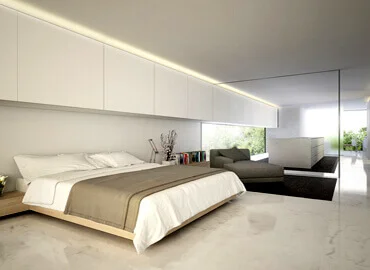
Glass Haven: Designing with Transparency
Transparency in Contemporary Architecture
In this blog, Ar. Rajkumar Kumawat delves into the evolving role of glass in modern architecture. What was once considered a fragile material has now become a cornerstone of contemporary design, valued for its ability to dissolve boundaries, bring in natural light, and transform spatial experiences. Glass façades and interiors today represent far more than sleek aesthetics; they symbolize openness, sustainability, and innovation.
The Rise of Glass as a Design Language
Over the last few decades, glass has emerged as one of the most widely used materials in global architecture. Its transparency blurs the distinction between inside and outside, creating immersive experiences for occupants. Beyond aesthetics, advances in structural engineering and glazing technologies have expanded glass’s applications, from towering skyscrapers to intimate residences. For architects like Kumawat, glass offers a canvas where structure and atmosphere converge seamlessly.
Daylight as a Design Asset
One of the greatest advantages of glass is its relationship with natural light. Glass façades invite daylight deep into interiors, reducing dependence on artificial lighting and improving occupant well-being. Studies consistently show that access to daylight enhances productivity, mood, and health. Rajkumar Architects often use glass strategically to create interiors that shift with the rhythm of the day, where light itself becomes an active participant in shaping the atmosphere.